Turkey Health Solutions
EN

Treatments

Treatments planned at accredited hospitals across twelve specialties.

Hair Transplantation — Turkey Health Solutions FUE & DHI MICROSURGERY

Hair Transplantation

Hair transplantation with advanced FUE and DHI microsurgery. Performed under local anesthesia, with no hospital stay required.

  • FUE / Sapphire FUE / DHI techniques
  • Local anesthesia, outpatient procedure
  • Results generally become visible within 12 months
Detailed information

What is hair transplantation?

Hair transplantation is the transfer of hair follicles from the nape and above-ear area — where hair is genetically resistant to shedding — to thinning or bald areas. Because the transferred follicles keep their genetic character, they are expected to persist in their new location. What the result looks like, however, varies from person to person according to your type of hair loss, the density of your donor area and the technique used. This is why every plan begins with a physician examination.

Procedure at a glance

  • Anesthesia: local anesthesia
  • Duration: usually 6–8 hours
  • Hospital stay: not required, completed in a single day in most cases
  • Graft count: determined by your physician according to need

Techniques used

Three techniques are available; which one suits you is decided after examination.

  • FUE (Follicular Unit Extraction): The most widely used method, based on harvesting follicles one by one. Recovery time is short.
  • Sapphire FUE: A form of FUE performed with sapphire tips instead of steel. Smaller channels are opened, tissue trauma is reduced and denser placement becomes possible.
  • DHI (Direct Hair Implantation): Follicles are placed directly with a Choi pen, with no separate channel-opening stage. Because it can be done without shaving, it is preferred for long hair and for female patients, and it allows control over the angle and direction of growth.

Which technique suits you?

The choice of technique is not a ready-made preference but a decision based on examination. Your physician assesses the following and clarifies the plan together with you:

  • Your type of hair loss and its stage
  • The density of your donor area
  • The density you are aiming for
  • Your expectations and daily life

Frequently asked questions

Will the transplanted hair fall out?
The transferred follicles are taken from an area that is genetically resistant to shedding, so they are expected to be permanent. That said, hair loss in your existing hair may continue. If your physician considers it necessary, a separate treatment is recommended for that.
Is the procedure painful?
The procedure is performed under local anesthesia. Brief discomfort may be felt while the anesthetic is applied; pain is not expected during the procedure itself. Pain thresholds vary from person to person.
Will there be scars?
With current techniques such as Sapphire FUE and DHI, the micro-scars in the donor area are usually not noticeable once the hair grows. How scars heal depends on your skin type and healing process.
When will my hair grow?
In the first weeks a temporary shedding known as shock loss occurs; this is an expected stage. New growth generally begins after the third month, and the result generally becomes apparent within 12 months.
How many days do I need to stay?
Hair transplantation is usually completed within a three-night program: examination and planning, the procedure day, and the first wash and check-up. The exact duration is shared with your treatment plan.

Dental Aesthetics — Turkey Health Solutions SMILE DESIGN

Dental Aesthetics

Laminate veneers, zirconium crowns and implant treatments planned with digital precision — organized to be completed within a short stay.

  • Porcelain laminate veneers
  • Implants (All-on-4 / All-on-6)
  • Zirconium crowns
Detailed information

Digital smile design

A smile is not built on tooth color alone; the lip line, how much gum shows and the harmony of your facial features are decisive. Before treatment begins, a design is prepared using CAD/CAM and three-dimensional simulation, so you can discuss in advance what each procedure will change. The simulation exists to clarify expectations; it does not mean the result will be identical to it.

Treatments offered

  • Porcelain laminate veneers: Thin porcelain layers applied to the front surface of the tooth. Less tooth structure is reduced compared with other options.
  • Zirconium crowns: Crowns with no metal substructure. Their light transmission is close to natural enamel and they do not darken the gum margin.
  • Implants: A titanium screw placed into the jawbone in place of a missing tooth. A fixed prosthesis can be applied across a full jaw using an All-on-4 or All-on-6 arrangement.

A five-day program

Dental aesthetics is usually completed in a single trip. The typical flow is:

  • Day 1: Examination, panoramic X-ray, impressions and fitting of temporary teeth.
  • Day 3: Try-in. Shape, length and color match are checked and adjusted if needed.
  • Day 5: Bonding of the permanent teeth, polishing and bite check.

Factors that affect planning

Where implants are involved in particular, suitability is established through examination and imaging. The points assessed are:

  • The density and volume of the jawbone; a graft may be needed first if it is insufficient
  • Gum health and any untreated inflammation
  • Smoking and systemic conditions that affect healing
  • Your bite and any teeth-grinding habit

Frequently asked questions

Is the procedure painful?
Procedures are performed under local anesthesia. Sedation is available for patients with dental anxiety; an anesthesiologist decides whether it is suitable.
How long do zirconium crowns last?
With regular oral hygiene they can be used for many years. No exact figure can be given; service life varies from person to person according to gum health, bite and habits such as teeth grinding.
Will my teeth look artificial?
Color and shape are selected to match your skin tone and facial features. The try-in stage exists precisely for this: you can see the result and request changes before the permanent bonding.
Will my diet be restricted afterwards?
You generally return to your usual diet. As with natural teeth, you are asked to avoid strain such as cracking very hard nuts or opening bottles with your teeth.
Can implants be placed in everyone?
No. Insufficient bone, untreated gum disease and certain systemic conditions may delay an implant or lead to a different solution. The decision is made after examination and tomography.
Plastic Surgery — Turkey Health Solutions AESTHETIC SURGERY

Plastic Surgery

Rhinoplasty, body contouring and breast aesthetics; 3D simulation-assisted planning aligns expectations before surgery.

  • Rhinoplasty (Piezo technology)
  • Breast aesthetics
  • Vaser Liposuction & BBL
Detailed information

Planning comes first

In plastic surgery the result is shaped not only by surgical technique but by the shared expectation established beforehand. Your anatomy is assessed during examination and the possible outcome is discussed using three-dimensional simulation. A simulation is a projection; because tissue heals differently in every person, it is not a commitment that the result will be identical.

The face

In rhinoplasty the aim is to bring the nose into harmony with your facial features while preserving or improving breathing function.

  • Piezo (ultrasonic) technology: Bone is shaped with sound waves. Damage to soft tissue is reduced, and bruising and swelling are more limited.
  • Closed and open technique: Your surgeon decides which to apply according to your nasal structure.
  • If you have had previous nasal surgery, revision planning is assessed separately.

Body and breast

  • Breast aesthetics: Augmentation, reduction and lift. Manufacturer documentation and traceability records for the implants used are recorded in your patient file.
  • Vaser liposuction: Separation of fat tissue using ultrasound energy, which reduces trauma to surrounding tissue.
  • BBL: Volume created by transferring your own fat tissue. Absorption of part of the transferred fat by the body is an expected outcome.

Timing your return

Clearance to fly depends on the type of surgery and is decided by your physician. The general framework is:

  • Nose and face: usually 6–7 days, after the splint is removed
  • Breast and liposuction: usually 4–5 days
  • Tummy tuck and BBL: usually 7–10 days

Frequently asked questions

Will there be scars?
Every incision leaves a mark. In surgical planning, incisions are placed in natural folds (the inframammary fold, inside the nose, the bikini line) and are expected to fade over time. How a scar heals depends on your skin type and genetics.
Can I breastfeed after breast implants?
There are placement and incision options that aim to preserve breastfeeding, and you should tell your surgeon before surgery if this matters to you. That said, breastfeeding success does not depend on surgery alone, so it cannot be guaranteed.
Is the result permanent?
The change made is permanent, but your body continues to age and to respond to weight changes. Weight fluctuations and pregnancy can affect the result.
Can I have more than one procedure in the same trip?
Some procedures can be combined. That decision is made according to operating time, anesthetic load and your capacity to heal; combining is not always appropriate.
Dermatology & Medical Aesthetics — Turkey Health Solutions SKIN HEALTH

Dermatology & Medical Aesthetics

Diagnosis of skin conditions and medical aesthetic procedures; every treatment is planned after a physician assessment, according to your skin type and your expectations.

  • Botulinum toxin procedures
  • Dermal filler procedures
  • Pigmentation treatments and skin care
Detailed information

Scope

The department covers two areas together: the diagnosis and treatment of skin conditions, and medical aesthetic procedures. Every procedure begins with a physician examination in which your skin type and any existing skin problems are assessed. If an aesthetic request is masking an underlying skin condition, that condition is treated first.

Procedures

  • Botulinum toxin: Temporarily reduces muscle activity in lines caused by facial expression. The effect is not permanent and needs to be repeated at intervals.
  • Dermal fillers: Provide tissue support in areas that have lost volume. How long they last depends on the type of product used.
  • Pigmentation treatments: For sun- and hormone-related pigmentation, topical treatment, chemical peeling or device-assisted procedures; which is appropriate depends on the type of pigmentation.
  • Skin care protocols: Aftercare and a sun-protection plan are decisive in maintaining the result.

The process

Procedures are mostly performed on an outpatient basis and do not require a hospital stay.

  • Examination and skin analysis
  • The procedure; usually 15–45 minutes depending on type
  • Redness and mild swelling afterwards are expected and subside shortly
  • A follow-up appointment, with dose adjustment if needed

When is it not suitable?

In some situations a procedure is postponed or not performed. The points reviewed during examination are:

  • Pregnancy and breastfeeding
  • Active infection at the treatment site
  • Known allergy to the product used
  • Bleeding disorders and use of blood-thinning medication
  • Certain neuromuscular conditions

Frequently asked questions

Are the results permanent?
No. The effects of botulinum toxin and fillers are temporary; the duration depends on the product used, the area treated and the person's metabolism. A procedure claiming permanence is not recommended.
Is the procedure painful?
Procedures are performed with fine needles and a topical numbing cream is used where needed. A brief stinging sensation is normal; pain thresholds vary from person to person.
When does the effect appear?
With fillers the effect appears during the procedure and becomes clear once swelling subsides. With botulinum toxin the effect begins within a few days and generally settles within two weeks.
Are there side effects?
Redness, mild swelling and bruising may occur at the treatment site; these are expected and temporary. Rarer situations are explained in detail during examination and appear in the consent form.
Obesity Surgery — Turkey Health Solutions METABOLIC SURGERY

Obesity Surgery

Gastric sleeve, gastric bypass and gastric balloon options; eligibility is determined by medical assessment based on BMI and comorbidities.

  • Gastric Sleeve
  • Gastric Bypass
  • Gastric balloon (endoscopic / swallowable)
Detailed information

Who is obesity surgery for?

Obesity is not a matter of weight alone but a disease affecting many systems. In advanced obesity, surgery is one of the long-term treatment options, and it is carried out not on its own but together with a nutrition, activity and follow-up program. Eligibility is assessed according to body mass index (BMI) and accompanying conditions: broadly, a BMI above 35, or above 30 where conditions such as type 2 diabetes are present, is taken into evaluation. The final decision rests with the medical board.

Surgical methods

Procedures are performed laparoscopically.

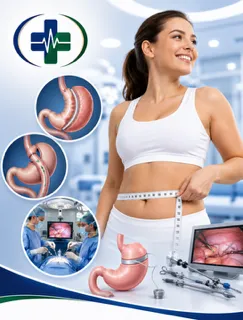
  • Sleeve gastrectomy: A large portion of the stomach is removed. Food intake is restricted, and because the region involved in the sensation of hunger is also removed, a reduction in appetite is expected. No foreign object is left in the body.
  • Gastric bypass: A small stomach pouch is created and part of the small intestine is bypassed. Absorption and gut hormones change. Lifelong vitamin and mineral supplementation is required.
  • Which method is appropriate is determined by BMI, accompanying conditions, reflux history and eating habits.

A non-surgical option: the gastric balloon

Considered for those in a lower BMI range or those not contemplating surgery. It is a temporary method.

  • Endoscopic balloon: Placed under light sedation and removed after approximately six months.
  • Swallowable balloon: Requires neither anesthesia nor endoscopy; a capsule is swallowed and passes from the body on its own after approximately four months.

The hospital process

The typical program for surgery is five days:

  • Day 1: Comprehensive workup — blood tests, cardiology assessment, chest X-ray, abdominal ultrasound, and consultations with internal medicine and a dietitian.
  • Day 2: Surgery. Performed by the closed method, usually 60–90 minutes. You are helped to your feet the same day to speed recovery.
  • Days 3–4: Follow-up tests and transition to liquids. The dietitian explains your new nutrition plan.
  • Fitness to fly is assessed by your physician before discharge.

Frequently asked questions

Can the weight come back?
Surgery is a powerful tool but not sufficient on its own. Weight can be regained if nutrition and activity guidance is not followed. What determines the long-term result is the way of life sustained after surgery.
Will my diabetes improve?
Marked improvement in type 2 diabetes and a reduction in medication needs are reported after obesity surgery. However, this is not a guarantee of cure; the outcome varies with how long the disease has been present, pancreatic reserve and individual factors. Follow-up is carried out together with endocrinology.
Will I have loose skin?
This varies with age, genetics and the amount of weight lost. Regular exercise is supportive. If needed, body contouring surgery is considered once weight has stabilized, generally from the 18th month.
What can I eat after surgery?
Nutrition is opened up in stages: clear liquids for the first two weeks, pureed foods for the following two weeks, and a transition to solid food from the fifth week with protein first. The program is personalized by your dietitian.
Will I lose hair?
Temporary thinning may be seen between months 3 and 6 due to rapid weight loss and hormonal change. Adherence to protein and vitamin supplementation makes this period easier.
Is the procedure reversible?
Sleeve gastrectomy is not reversible, because part of the stomach is removed. Gastric bypass can technically be reversed but is regarded as a permanent procedure. The gastric balloon is temporary and fully reversible.
Geriatric Care — Turkey Health Solutions ACTIVE AGING

Geriatric Care

Care programs combining physical rehabilitation, thermal spa facilities and social life; short and long-term stay options.

  • Assisted living
  • Dementia & Alzheimer’s care
  • Post-operative rehabilitation
Detailed information

Our approach

Unlike the classic nursing-home model, these programs run three strands together: physical rehabilitation, thermal facilities and social life. The aim is for the person to preserve as much of their existing independence as possible and to carry on with daily life. Medical follow-up is carried out under the supervision of geriatrics and the relevant specialties.

Care options

  • Assisted living (long term): For guests who wish to keep their independence but need support with daily tasks such as dressing and medication routines. Private room, personal care support, cleaning and laundry services.
  • Dementia and Alzheimer's care: Dedicated units with strengthened safety arrangements; cognitive activities and sensory therapy programs. These programs aim to slow the course of the disease and make no claim to halt it.
  • Post-operative rehabilitation (short term): Generally 1–3 months of stay and intensive physiotherapy after hip or knee replacement or recovery from stroke.

Facilities and thermal amenities

The centers are located in thermal regions and thermal water applications may form part of the daily program. Your physician decides which applications are suitable; restrictions may be necessary in heart and blood-pressure conditions.

  • Thermal pool sessions — particularly supportive for joint complaints
  • Personalized menus approved by a dietitian
  • Workshop, garden and social activity areas
  • Regular physiotherapy sessions

The family's place in the process

Having a relative far away is the hardest part of this decision. The process is arranged with that in mind:

  • Accommodation can be arranged for visiting family
  • The family receives regular updates
  • A short-stay option (respite care) is available
  • A visit can be arranged to see the facility before admission

Frequently asked questions

Can family members visit?
Yes. Accommodation can be arranged for visiting family members and maintaining the family bond is supported. Visiting arrangements are scheduled according to the guest's state of health.
Is there a physician on site?
Physicians and nursing staff work at the centers, and specialties such as neurology, cardiology and physiotherapy carry out regular assessments. Staffing arrangements and duty hours vary by facility; the details of the chosen center are shared with your plan.
What languages does the staff speak?
This varies by center. Because it matters that your relative can communicate comfortably, we clarify which languages can be supported while the facility is being chosen.
Are short stays possible?
Yes. A short stay can be arranged for a post-operative recovery period, or for situations where the family needs support for a limited time.
Orthopedics — Turkey Health Solutions RESTORING MOBILITY

Orthopedics

Robot-assisted joint replacement, spine surgery and sports medicine; your post-operative mobility plan is built together with the physiotherapy team.

  • Joint replacement (MAKO robotic)
  • Spine surgery
  • Arthroscopic sports surgery
Detailed information

Our approach

Musculoskeletal problems directly restrict daily life. The department treats surgery not in isolation but together with pre-operative planning and the movement program that follows. Where possible, closed and minimally invasive techniques are preferred, with the aim of reducing recovery time and post-operative pain.

Surgical areas

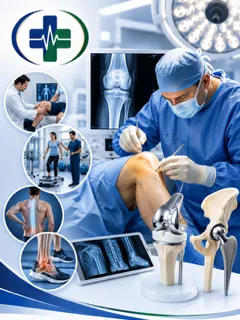
  • Joint replacement: Total prostheses for the knee and hip. With robotic-arm assisted systems, the positioning of the prosthesis is planned before surgery and guided according to that plan during the operation.
  • Spine surgery: Lumbar and cervical disc herniation, scoliosis and spinal stenosis. In microdiscectomy, pressure from the disc on the nerve is relieved through a small incision.
  • Arthroscopic sports surgery: Meniscus tears, anterior cruciate ligament repair and shoulder rotator cuff repair are performed by the closed method.

Pre-operative digital planning

In prosthetic surgery, a three-dimensional model of your bone structure is produced from MRI and tomography images before the operation. Planning is carried out on this model, with the aim of aligning the prosthesis to your anatomy.

Stay and return

Durations vary with the type of surgery and your recovery; exact figures are shared with your plan. The general framework is:

  • Knee and hip replacement: usually 3–4 days in hospital
  • Spine surgery: usually 3–5 days in hospital
  • The post-operative movement program begins early, with your physician's approval
  • Fitness to fly is assessed separately before discharge

Frequently asked questions

How long does a prosthesis last?
Many years of use are reported with current materials. No exact figure can be given; service life varies with your age, weight, activity level and bone structure.
When can I walk after surgery?
Early mobilization is the goal in prosthetic surgery, and in most patients the first steps are taken within the day following the operation. Timing is determined by how the operation went and by your physician's assessment.
Is physiotherapy essential?
Surgery is the first step; most of the gain in movement is achieved in the program that follows. Rehabilitation is built in as an inseparable part of your treatment plan.
Are there programs for children?
Yes. Orthopedic assessment and rehabilitation for children are run separately, with equipment and programs adjusted to children's proportions.
Physiotherapy & Rehabilitation — Turkey Health Solutions REHABILITATION

Physiotherapy & Rehabilitation

Post-operative and neurological rehabilitation programs; advanced physiotherapy infrastructure including robotic gait rehabilitation. The program is built around the goals your doctor sets.

  • Post-operative rehabilitation
  • Neurological rehabilitation
  • Robotic gait rehabilitation
Detailed information

Scope

Physiotherapy and rehabilitation is a process aimed at restoring lost movement capacity. The program is not a checklist but a plan built around the goals your physician sets and reassessed at regular intervals. The speed and extent of gain vary with the diagnosis, the stage at which the program begins and individual factors.

Program areas

  • Post-operative rehabilitation: Restoring range of movement and muscle strength after prosthetic surgery, spine surgery and sports injuries.
  • Neurological rehabilitation: Work on walking, balance and daily living skills after stroke and comparable neurological conditions.
  • Pain management: Exercise-based programs and, where needed, device-assisted applications for chronic back and neck pain.
  • Pediatric rehabilitation: Equipment and session structure are adjusted to children's proportions and attention span.

Robotic gait rehabilitation

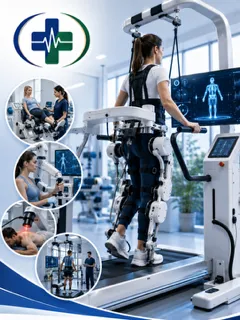
Robotic systems carry part of the patient's weight, allowing the walking movement to be practiced repeatedly and correctly. Because they increase the number of repetitions, they are used as a complement to conventional methods rather than a replacement for them. Suitability is decided after assessment.

Duration and accommodation

Rehabilitation is not a one-off procedure but a program that requires continuity. Planning is therefore done together with the length of stay:

  • Intensive programs are generally planned over 2–6 weeks
  • Session frequency and duration are set at the first assessment
  • Companion accommodation and accessible room arrangements are planned separately
  • An exercise program to continue at home is provided in writing

Frequently asked questions

How long does the program take?
The duration varies with your diagnosis and your movement level at the outset. A realistic range is shared at the first assessment and reviewed as the process goes on.
Can I come without having had surgery?
Yes. For a proportion of chronic pain, postural problems and sports injuries, a physiotherapy program is applied without surgery. The distinction is made after examination and imaging.
Can a companion stay with me?
Yes. Because rehabilitation programs require a longer stay, companion arrangements are a standard part of the plan.
Does the program stop when I return home?
No. An exercise program you can continue at home is provided in writing and remote follow-up continues. Maintaining continuity is decisive in making the gains last.
Medical Oncology — Turkey Health Solutions ADVANCED CANCER CARE

Medical Oncology

A multidisciplinary tumor board approach: chemotherapy, immunotherapy and targeted therapies; advanced radiation oncology and PET-CT imaging.

  • Multidisciplinary tumor board
  • Radiation oncology (TrueBeam, Gamma Knife)
  • PET-CT screening
Detailed information

The multidisciplinary tumor board

In oncology the treatment decision is not made by a single physician. Your case is taken up by a tumor board in which medical oncology, radiation oncology, surgery, radiology and pathology specialists assess it together. The board proposes a plan by weighing the type and stage of the disease alongside your general state of health. This structure is also the point of reference for patients seeking a second opinion.

Medical oncology

Systemic treatments are planned according to the type of disease and, where relevant, its genetic profile.

  • Chemotherapy protocols
  • Immunotherapy
  • Targeted (smart drug) therapies
  • Monitoring of treatment response through regular imaging and tests

Radiation oncology and imaging

In radiotherapy the aim is to focus on the target volume while protecting surrounding tissue as far as possible. Planning is carried out on imaging.

  • Radiotherapy planning and delivery
  • Stereotactic (focused) applications
  • Staging and assessment of treatment response with PET-CT
  • Which device and technique will be used becomes clear according to the chosen center and your treatment plan

Process and accommodation

Oncological treatment is mostly not completed in a single trip; it is planned around the cycle and session schedule. The journey is arranged with this in mind:

  • Your reports and pathology results are assessed in advance
  • The treatment calendar is planned together with accommodation, according to the number of sessions
  • Companion accommodation is arranged as standard
  • If treatment is ongoing in your own country, information sharing with your physician is arranged to maintain continuity

Frequently asked questions

Can I get a second opinion?
Yes. Once you send your current reports, pathology result and imaging, a tumor board assessment can be requested. A second opinion does not mean you must interrupt your current treatment.
How long does treatment take?
The duration varies markedly with the type and stage of the disease and the protocol chosen. After the board's decision, a realistic calendar based on the number of sessions and cycles is shared.
What can be said about the outcome?
No promises are made about outcomes in oncology. You are told openly what the medical literature indicates for the type and stage of your disease, what the treatment aims to achieve and what side effects are possible. Realistic expectations matter as much as the treatment itself.
Can treatment started in my own country be continued?
It can be assessed. Your current protocol, the number of cycles you have received and your response are presented to the board, and the decision to continue or change is made on that assessment.
Cardiovascular Surgery — Turkey Health Solutions HEART HEALTH

Cardiovascular Surgery

Minimally invasive bypass and TAVI procedures in hybrid operating rooms; fast-planned angiography packages shorten the path from diagnosis to treatment.

  • Minimally invasive bypass (CABG)
  • TAVI
  • Angiography package
Detailed information

The hybrid operating room

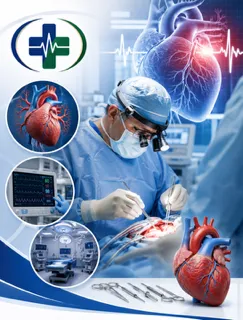
A hybrid operating room is a setup in which imaging systems are integrated with the operating table. It allows a cardiologist and a cardiac surgeon to work together in the same environment, and where necessary catheter and surgical methods can be combined in a single session. This provides flexibility of decision, particularly in higher-risk cases.

Coronary bypass

Less invasive options are considered compared with classic open-heart surgery. Which is appropriate is determined by your vascular structure and general condition.

  • Minimally invasive bypass: Can be performed through a small incision under the arm without dividing the breastbone. It offers advantages in terms of pain and recovery time.
  • Off-pump bypass: Performed on the beating heart, without using the heart-lung machine. Preferred in certain patient groups.
  • Not every patient is suitable for the less invasive method; the classic approach is used where required.

Heart valve treatments

  • TAVI: Replacement of the aortic valve via a catheter advanced from the groin, without opening the chest. Considered in patients at high surgical risk.
  • It is usually performed under sedation and the hospital stay is shorter than with surgery.
  • Valve repair and surgical valve replacement are assessed separately in suitable patients.

The process

The typical flow for surgery is as follows; durations vary by patient:

  • Day 1: Arrival and workup — blood tests, echocardiography and review of angiography.
  • Day 2: Surgery, usually 3–5 hours. Close monitoring in intensive care for the first night is standard practice.
  • Days 3–7: Transfer to a room, start of walking exercises and discharge assessment.
  • If angiography is for diagnosis only, it can be planned separately as a short program.

Frequently asked questions

When can I fly after bypass surgery?
Usually within 7–10 days of the operation, once your physician confirms the chest area is fit for flying. A fitness-to-fly report is issued.
Do I have to stay in intensive care?
Spending the first night in intensive care after cardiac surgery is standard monitoring practice, not a sign of complication.
How long does angiography take?
The procedure is usually short and is mostly performed through the wrist. A diagnostic program is planned markedly shorter than surgery; the exact duration is shared with your plan.
Do you treat children?
Yes. Pediatric cardiology assessment is carried out for congenital heart conditions, including catheter methods that do not require surgery in suitable cases.
Brain & Nerve Surgery — Turkey Health Solutions NEUROSURGERY

Brain & Nerve Surgery

Microsurgical techniques and advanced neurological imaging in brain and spinal cord surgery; every case goes through a multidisciplinary review before surgery.

  • Brain tumor surgery
  • Spinal cord surgery
  • Microsurgery and neuronavigation
Detailed information

Scope

Brain and nerve surgery covers surgical interventions involving the central nervous system and the spinal cord. The decision process in this field carries more weight than in others: every case is assessed together with neurology, radiology and, where relevant, oncology before an operation is decided upon. Surgery is not always the first option; observation or non-surgical treatment may be appropriate.

Surgical areas

  • Brain tumor surgery: The location and type of the tumor determine the method used. The aim is the safest possible intervention while protecting functional areas.
  • Spinal cord surgery: Interventions on the spinal cord and surrounding structures.
  • Microsurgery: Work under the operating microscope, focused on preserving nerve and vascular structures.
  • Neuronavigation: Position tracking during surgery, based on a map derived from pre-operative imaging.

Planning and imaging

Pre-operative preparation is the most decisive stage of the process in this field.

  • Detailed imaging with MRI and tomography
  • Where needed, mapping of speech and movement areas with functional imaging
  • Joint assessment with neurology and related branches
  • The aim of the operation, the possible risks and the alternatives are explained in detail to the patient and their relatives

Process and recovery

Stay and recovery times vary markedly with the type of intervention; exact figures are shared with your plan. The general framework is:

  • Monitoring in intensive care in the early post-operative period is standard practice
  • The hospital stay is planned according to the scope of the intervention
  • A neurological rehabilitation program is brought in where needed
  • Fitness to fly is assessed separately by your physician before discharge

Frequently asked questions

Is surgery essential?
Not always. In some situations observation with regular imaging or non-surgical treatment is preferred. The decision to operate is made by weighing the expected benefit against the risk.
Can I get a second opinion?
Yes. You can request an assessment once you send your imaging and current reports. Seeking a second opinion is common and well founded in this field.
How are the risks explained?
The aim of the intervention, its possible risks and the alternatives are explained clearly to you and your relatives with an interpreter present, and shared in writing during the consent process.
Is rehabilitation needed after surgery?
It depends on the type of intervention. Where it is considered necessary, a neurological rehabilitation program is built into your treatment plan.
Eye Health — Turkey Health Solutions OPHTHALMOLOGY

Eye Health

Diagnosis and treatment in cataract, refractive surgery and retinal conditions; which method is suitable is determined by a detailed eye examination.

  • Cataract surgery
  • Refractive (laser) eye surgery
  • Retina and cornea treatments
Detailed information

Scope

The eye health department covers diagnosis and treatment together: cataract surgery, refractive (laser) surgery, and retinal and corneal conditions. Which method is appropriate is established after a detailed eye examination and measurements. Your prescription having remained unchanged for the past year is one of the conditions sought for refractive surgery.

Cataract surgery

Where the lens of the eye has lost its clarity, the lens is removed and an intraocular lens is placed in its stead.

  • The procedure is usually short and performed on an outpatient basis; no hospital stay is required
  • Lens options (monofocal, multifocal) are assessed according to your daily habits
  • Surgery on both eyes is generally planned at intervals rather than on the same day

Refractive (laser) surgery

These are methods aimed at reducing dependence on glasses or lenses in myopia, hyperopia and astigmatism. Not everyone is suitable.

  • Corneal thickness and ocular surface measurements determine suitability
  • A thin cornea, advanced dry eye and certain corneal conditions may rule out laser; an intraocular lens option is then assessed
  • Blurring and light sensitivity in the first days after the procedure are expected

Retina, cornea and the process

In retinal and corneal conditions, treatment may be medication, laser or surgery depending on the type of disease. The program is arranged as follows:

  • Detailed examination and measurements on the day of arrival
  • If suitability is confirmed, the procedure usually the following day
  • Post-procedure check; a final examination before your return
  • Drop treatment and its schedule are provided in writing

Frequently asked questions

Can laser treatment be applied to everyone?
No. Corneal thickness, how many years your prescription has been stable, the degree of dry eye and any existing eye conditions determine suitability. If you are not found suitable at examination, alternative methods are assessed.
Will I be free of glasses completely?
The aim is to reduce the need for glasses; it is not a commitment that the need will disappear entirely. Near vision in particular continues to change with age.
Is the procedure painful?
Procedures are performed with anesthetic drops. Pain is not expected during the procedure; a stinging and watering sensation lasting a few hours afterwards is normal.
How many days do I need to stay?
For refractive surgery and cataract, a three-night program is generally sufficient: examination, procedure and check-up. In retinal surgery the duration may be longer; the exact figure is shared with your plan.

Let’s plan the right treatment together

Send your reports and our medical team will provide a free preliminary assessment.

Get a Treatment Plan